


Let's be honest — in the bustling world of herbal wellness, some plants get all the glory. You hear about turmeric and ashwagandha constantly. But tucked away in the shade, with its graceful arching stems, grows a true herbalist's secret: Solomon's seal herb.
I first learned about this plant not from a modern supplement ad, but from an old herbal compendium, where it was praised for benefits as old as humanity itself: healthy knees, joints, and daily comfort in general. Solomon’s seal’s root, marked with odd, seal-like scars (hence the name!), has been a cornerstone in Traditional Chinese and Korean practices for millennia. So, why isn't everyone using it? If you're seeking more comfort in an active life or want to nourish your body's foundation, this humble herb deserves your attention.

What Exactly Is Solomon's Seal Herb?
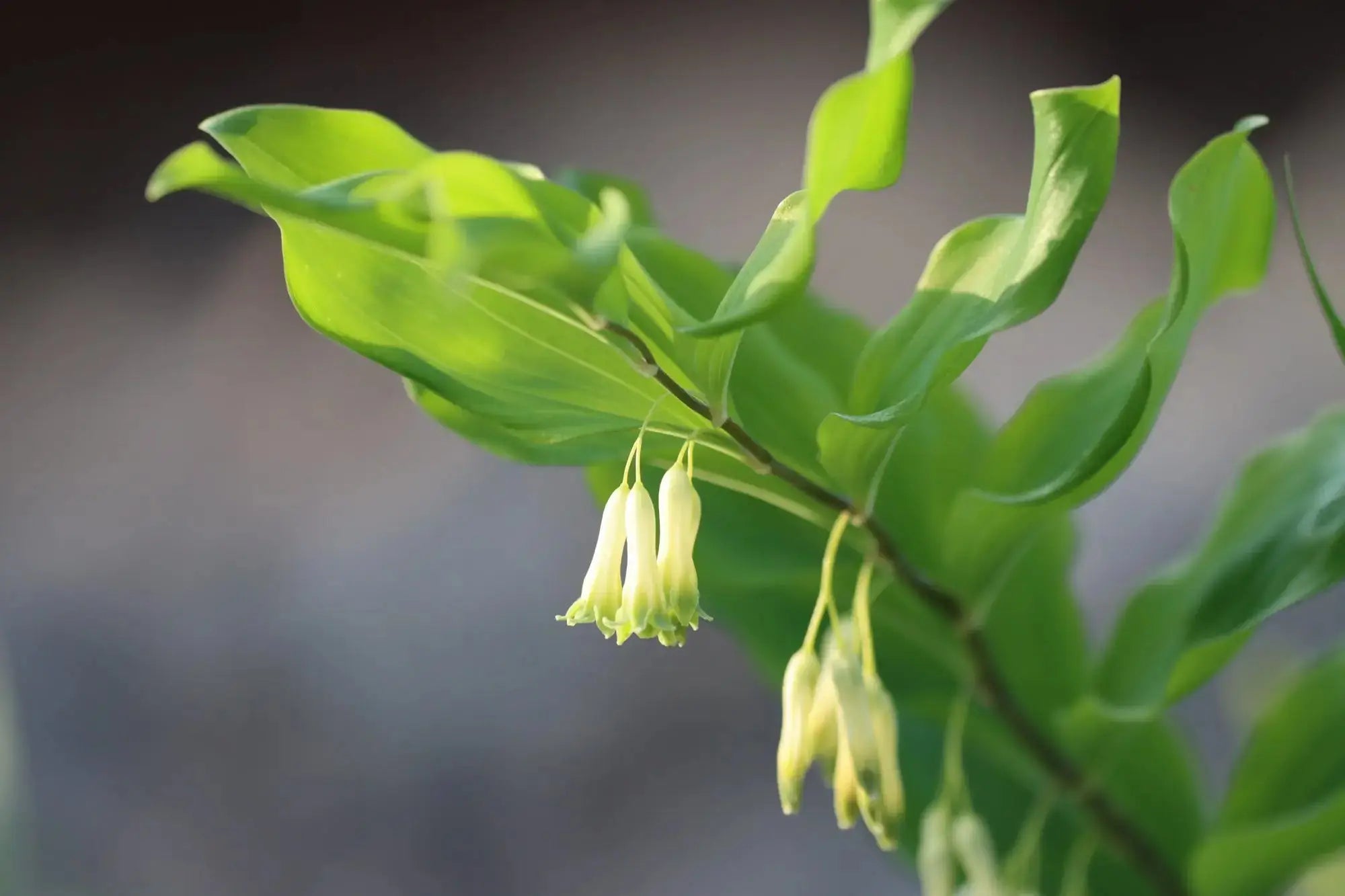
Walk into a moist, deciduous forest, and you might spot it: Solomon's seal herb (Polygonatum odoratum) is a shade-loving perennial with elegant, unbranched stems that arc like a botanical fountain. In late spring, delicate, tubular flowers — white edged with green — dangle secretly beneath these stems, smelling faintly sweet.
But the real magic is underground. The rhizome (the root we use) is jointed, looking oddly like a string of bony knuckles. This isn't lost on herbal tradition. The "Doctrine of Signatures" is an ancient idea that a plant's appearance hints at its use, and Solomon's seal root is a textbook case. Its genus name, Polygonatum, even comes from Greek words for "many knees." It's as if the plant itself is whispering what it's good for.
A Time-Tested Tradition: More Than Just Folklore
This isn't just trendy wellness talk. The use of Solomon's seal is deeply rooted in history. Herbalists for thousands of years have turned to it for its benefits.

Joint Health
Herbal traditions often connect Solomon’s Seal with structural harmony, valuing it for its grounding nature and its place in formulas intended for people who place ongoing demands on their bodies.
Gardeners, athletes, and those with physically active lifestyles have historically gravitated toward plants like this not for dramatic effects, but for their role in steady, supportive rituals. Within this context, joint health is approached as something to be maintained over time, rather than corrected in the moment.
A modern study also describes this phenomenon.

Sustained Energy
Solomon’s Seal is one of the herbs for natural energy. It’s traditionally associated with steady, sustained energy rather than quick stimulation. Many herbalists describe it as a plant that supports endurance over time, offering a sense of grounded strength that builds slowly and naturally.
Blood Sugar
In traditional herbal discussions, Solomon’s Seal often appears in the context of balance and nourishment. It is commonly mentioned alongside mindful eating practices and steady daily rhythms, especially in conversations about maintaining consistency rather than extremes.
Immune Function
Solomon’s Seal has long been included in seasonal wellness traditions focused on resilience. It is often viewed as a supportive herb during periods of transition, when the body benefits from stability and gentle reinforcement.
Cardiovascular Health
This herb is traditionally linked with ideas of harmony and flow within the body. Herbalists have historically grouped Solomon’s Seal with plants associated with circulation, connection, and the smooth movement found in healthy natural systems.
Antioxidant Presence
Like many plants used in traditional herbalism, Solomon’s Seal contains naturally occurring compounds discussed in relation to antioxidant presence. These qualities make it a thoughtful addition to plant-forward routines focused on long-term balance and overall wellness.
Welcoming Solomon's Seal Into Your Modern Routine
So, how do you use this ancient root today? Think of it less as a quick fix and more as something meant to be part of a steady, long-term routine. It suits those who stay active, spend time outdoors, or simply value daily practices that support overall balance and consistency.
You won't find it in a magic pill you take once for instant relief. Instead, it's typically taken as a tincture or a capsule over weeks or months. This steady, nourishing approach is designed to be part of a consistent, long-term wellness routine. It pairs beautifully with mindful movement, like Chinese ancient practices, stretching, or any practice that respects the body's structure.
Key Players: Herbs That Work Well With Solomon's Seal
Rarely do herbs work in isolation. Solomon's seal is fantastic, but it finds its full potential in company. For a holistic approach to mobility, consider it with:
- Turmeric: For its powerful, broad-spectrum anti-inflammatory action.
- Horsetail: Rich in silica, it's like a vitamin for your connective tissues. It’s one of the reasons it has been appreciated in traditional use as part of steady, supportive rituals.
- Devil's Claw: A classic for joint health and mobility, especially for back and hip comfort.
- Marshmallow Root: Its soothing mucilage complements Solomon's seal's action on dry tissues, internally and externally.
Finding Quality Support for Your Wellness Journey
Inspired to try it? The quest for quality is key. Look for Solomon's seal root from reputable suppliers who practice ethical wildcrafting or sustainable cultivation. It's especially valued when harvested at the right time and processed carefully.
Your Questions on Solomon's Seal, Answered
Q.: What does the name “Solomon’s Seal” mean?
A.: The name comes from the seal-like markings left on the root when the stem dies back each year. Folklore associated these markings with wisdom and protection, linking the plant to King Solomon in traditional stories.
Q.: Can I just go forage for it?
A.: You can, but you must be an expert identifier. It has deadly look-alikes, like false hellebore (Veratrum). If you're not 100% confident, buy from a trusted source. Always forage sustainably if you do.
Q.: Is it safe for everyone?
A.: Most adults find it very safe. However, due to a lack of specific research, it's not recommended for pregnant or breastfeeding women. As always, chat with your healthcare provider, especially if you have serious health conditions or are on medication.
Q.: Why isn't this herb more popular?
A.: Frankly, it's a mystery to many herbalists! It doesn't grow in flashy blooms, and its effects are subtle and cumulative rather than instant. In our quick-fix culture, the profound, slow-and-steady herbs often get overlooked. But for those in the know, it's a treasure.
Q.: Can I cook Solomon’s Seal?
A.: Yes, Solomon’s Seal’s shoots are edible. Blanche them, set aside to cool. Drizzle some vinegar and sparkle with coarse salt.
Share:
Learn the Herbs: Milk Thistle
Learn the Herbs: Blue Vervain Health Benefits