


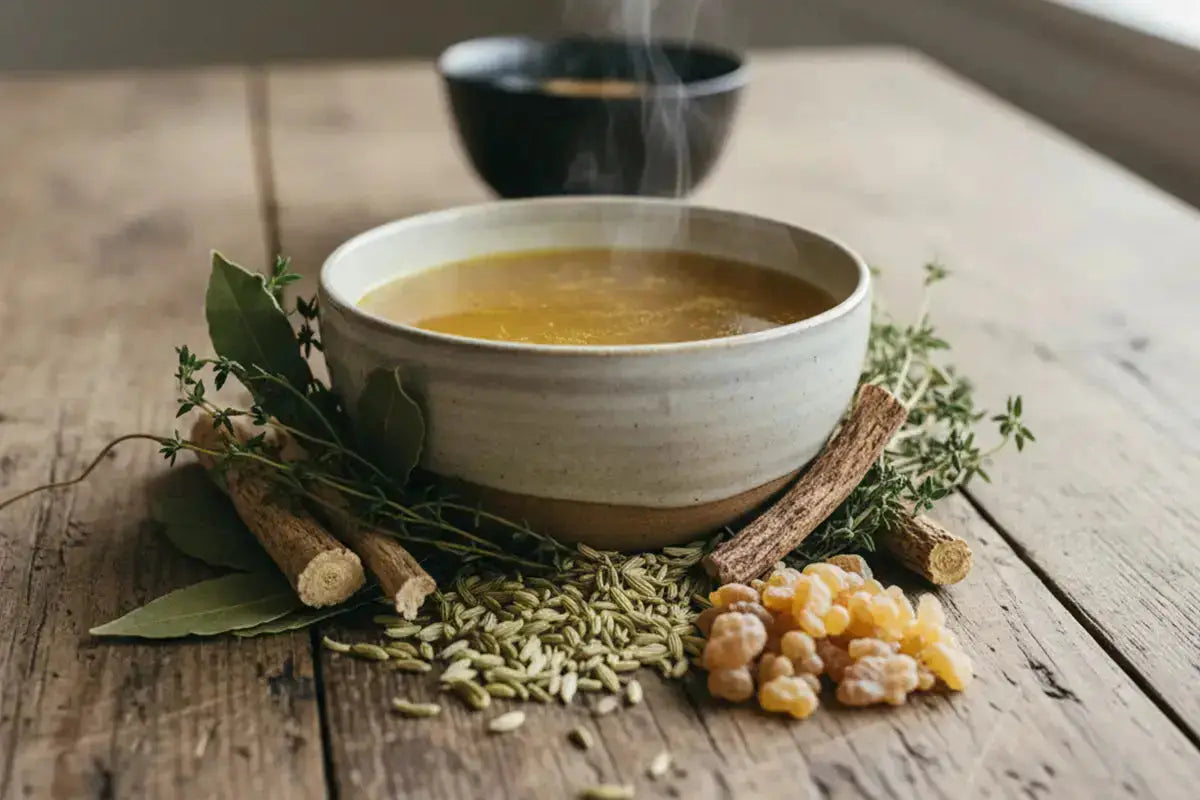
The trillions of microorganisms living in your digestive system play a crucial role in your overall well-being. These beneficial microbes, often called good bacteria, help break down food, support immune function, and maintain digestive balance. While modern life can sometimes challenge this delicate ecosystem through stress, processed foods, and antibiotics, there are natural ways to nurture these beneficial organisms.
Throughout history, people have instinctively turned to specific foods and plants to support their digestive health. Today, we're rediscovering the wisdom behind these traditional practices, finding that certain soups and herbs can create an environment where good bacteria thrive. This article explores time-tested approaches to supporting your gut microbiome through nourishing soups and carefully selected herbs.
Ancient Wisdom for Modern Gut Health
Long before scientists understood the complexity of the human microbiome, ancient cultures developed sophisticated approaches to digestive wellness. Traditional Chinese Medicine emphasized the importance of warm, easily digestible foods, believing that cold or raw foods could weaken digestive fire. Practitioners often recommended bone broths and herbal teas to strengthen what they called the "middle burner" – the digestive system.
In Ayurvedic tradition, digestive health was considered the foundation of overall wellness. Ancient Indian texts described specific spice combinations and cooking methods designed to support digestion and beneficial gut flora. Turmeric, ginger, and fennel were commonly used not just for flavor, but for their digestive properties.
European folk medicine also recognized the connection between certain foods and digestive comfort. Monastic gardens were filled with herbs like licorice and fennel, which monks used to create digestive tonics and healing broths. These communities understood that supporting digestion meant supporting overall health.
Indigenous cultures worldwide developed fermented foods and healing broths specific to their local ingredients. From Korean kimchi to Germanic sauerkraut, these traditional foods created environments where beneficial bacteria could flourish naturally.

Nourishing Soups That Support Your Microbiome
Bone Broth
Bone broth has earned its reputation as a digestive healer across cultures. When bones simmer for hours, they release collagen, gelatin, and amino acids that can help repair and strengthen the intestinal lining. This process creates an environment where good bacteria can better establish themselves and thrive.
The slow cooking process also breaks down connective tissues, making nutrients more bioavailable. The warm, liquid nature of bone broth is gentle on the digestive system, making it an ideal food when your gut needs extra support.
Quality matters when it comes to bone broth. Bones from grass-fed animals or wild-caught fish provide the best nutritional foundation. Adding vegetables like onions, carrots, and celery during the cooking process can enhance both flavor and nutritional content.
Miso Soup
This traditional Japanese soup represents one of humanity's oldest fermented foods. Miso paste, made from fermented soybeans, contains beneficial bacteria that can contribute to gut microbial diversity. The fermentation process creates compounds that support digestive function while providing a rich, satisfying flavor (like many other high-fiber products).
Traditional miso soup often includes seaweed, which provides prebiotic fibers that feed beneficial bacteria. The combination of fermented miso and fiber-rich seaweed creates a synergistic effect, supporting both the introduction and nourishment of good bacteria.
The simplicity of miso soup makes it accessible for regular consumption. A bowl of warm miso soup can be both comforting and supportive to digestive health, making it an easy addition to any gut-supporting routine.

Three Powerful Herbs for Gut Support
Fennel Seed
Fennel seeds have been treasured across Mediterranean and Middle Eastern cultures for their digestive properties. These small, aromatic seeds contain compounds that can support the environment where good bacteria flourish.
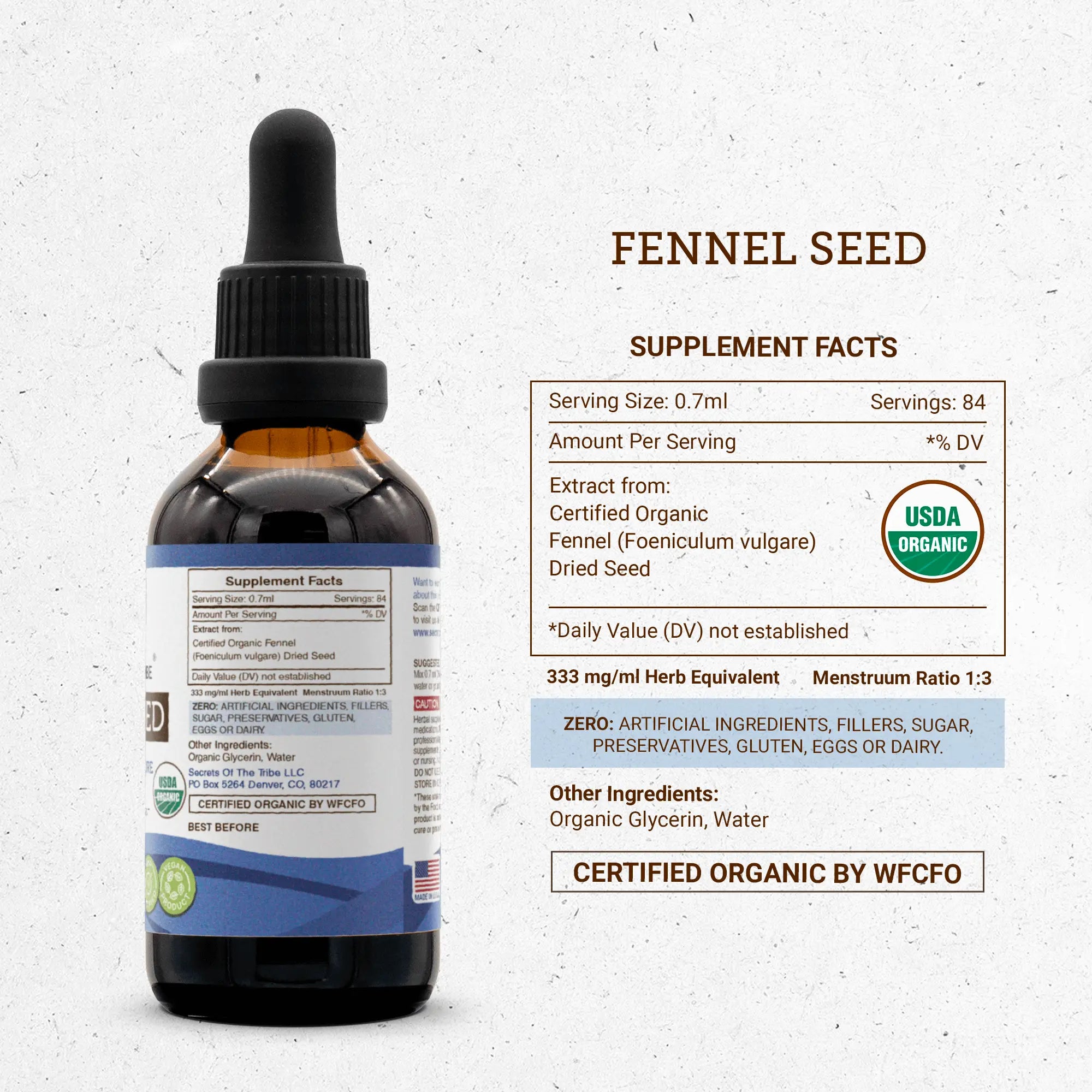
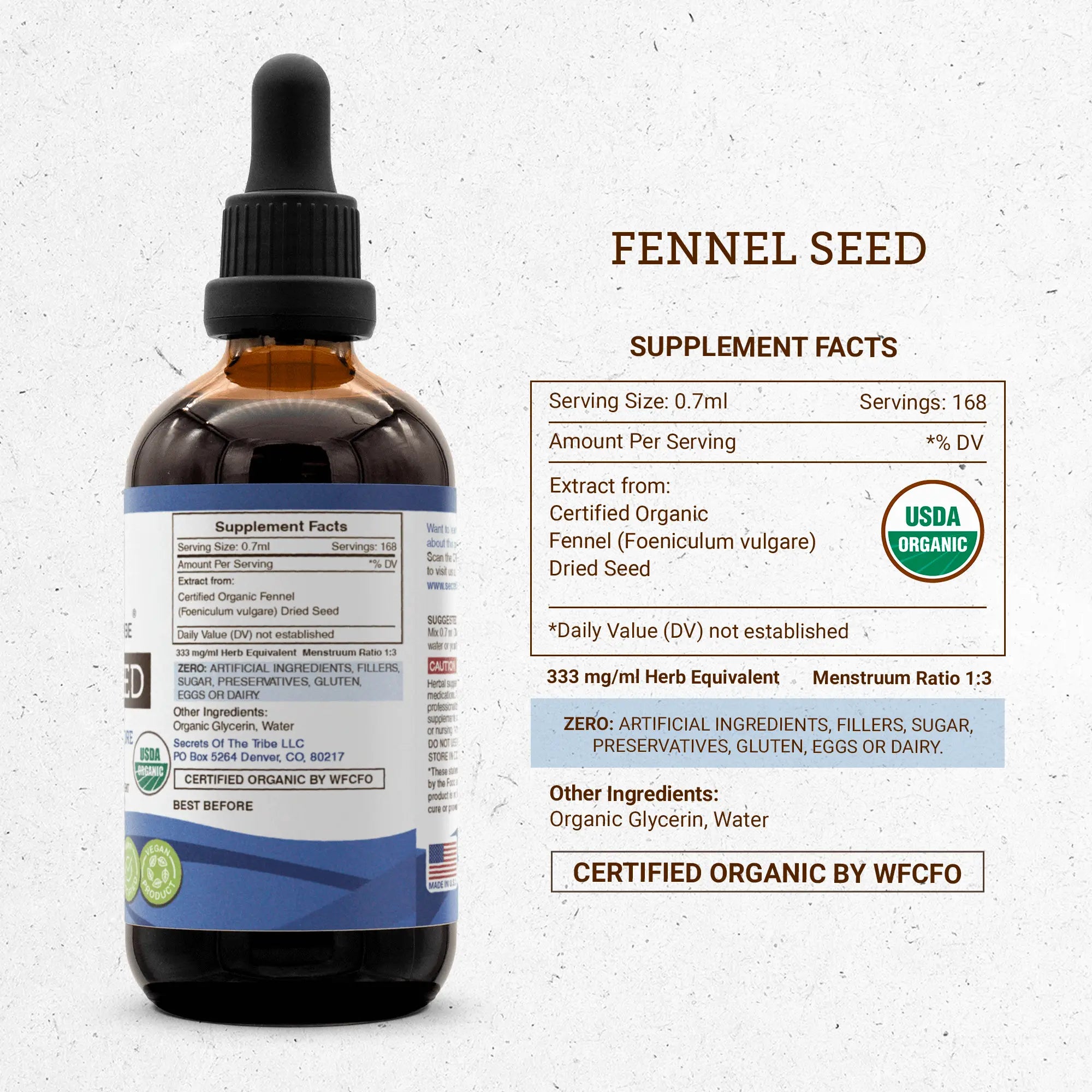
The essential oils in fennel seeds, particularly anethole, give them their distinctive licorice-like flavor and their digestive benefits. Many cultures traditionally chew fennel seeds after meals to support digestion and freshen breath. The seeds can be brewed into a gentle tea or ground and added to cooking for both flavor and digestive support. Also, you can harness fennel seeds’ powers via Fennel Seed Tincture or Fennel Seed Capsules.


Licorice
Licorice root has been valued in traditional medicine systems for thousands of years, along with other herbs to support your gut health naturally. This sweet root contains compounds that can support the digestive tract and create conditions favorable for beneficial bacteria. The natural sweetness of licorice makes it a pleasant addition to herbal blends and teas.
Licorice tincture pairs well with other digestive herbs and can be found in many traditional herbal formulations. Its naturally sweet flavor makes it an excellent base for digestive teas and helps mask the bitter taste of other beneficial herbs.


Frankincense
While most people associate frankincense with incense and aromatherapy, this ancient resin has a long history of use in traditional medicine for digestive support. Frankincense contains boswellic acids, compounds that can help maintain a healthy inflammatory response in the digestive tract.
In Ayurvedic medicine, frankincense is regarded as a potent digestive aid. The resin was traditionally prepared as a tea or mixed with other herbs to create digestive formulations. Modern research has begun to validate some of these traditional uses, showing how frankincense might support the environment where good bacteria thrive.
Frankincense is available in various forms, from the raw resin to standardized Frankincense tincture. While the resin can be prepared as a tea, many people find standardized extracts more convenient and consistent in their effects.


The Role of Supplements in Supporting Good Bacteria
While whole foods and traditional preparations offer valuable natural support for digestive health, modern supplement forms like tinctures and capsules can provide concentrated benefits that are sometimes difficult to achieve through food alone. These preparations allow for standardized dosing and can deliver higher concentrations of active compounds.
Tinctures often provide better absorption of certain plant compounds. The liquid form allows for quick absorption and easy dose adjustment.
Capsules offer the ultimate in convenience and consistency. Standardized extracts in capsule form ensure that you receive the same amount of active compounds with each dose. This consistency can be particularly important when using herbs like frankincense, where the active compounds can vary significantly in raw preparations.
The journey to supporting good bacteria in your gut doesn't require dramatic changes. Simple additions like a daily cup of bone broth, a fennel tea after meals, or a quality herbal supplement can make a meaningful difference in how you feel. The key is consistency and choosing approaches that fit naturally into your lifestyle, creating sustainable habits that support your digestive wellness for years to come.
Share:
Black, Red, Yellow: All Colours of Maca Root
What’s a Good Snack that Gives You Energy? 5 Natural Solutions for Sustained Vitality