


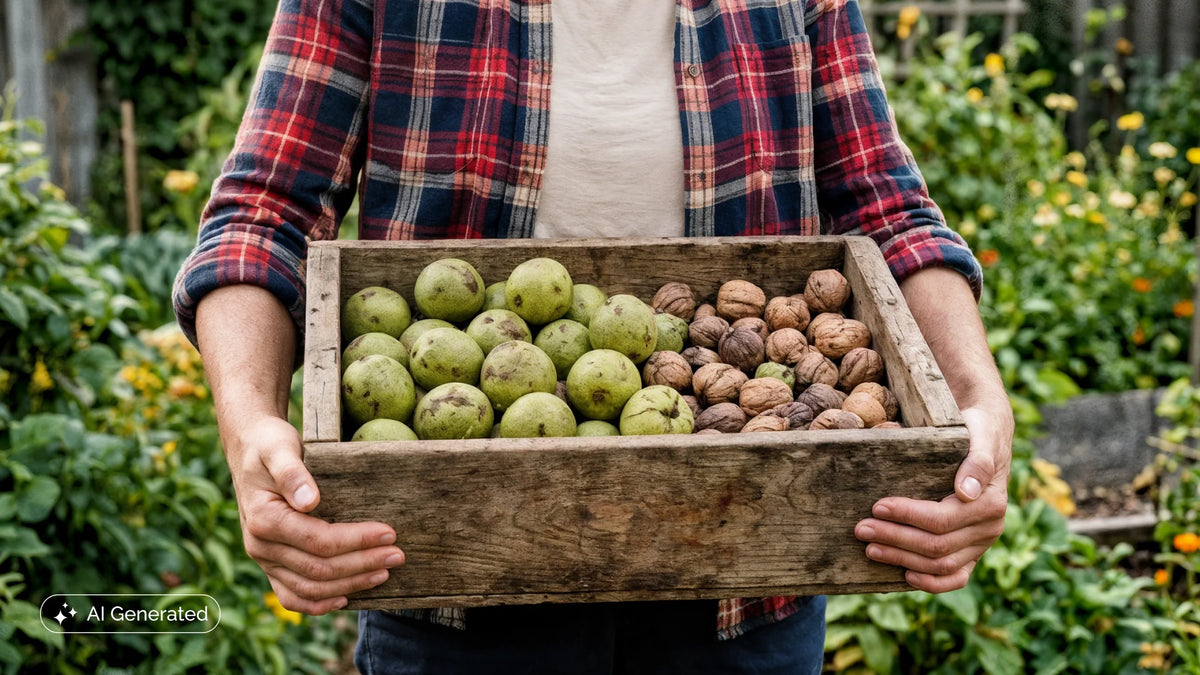
Black walnut hull, wormwood, and clove often appear in the same herbal conversation. That can make them sound almost interchangeable.
They are anything but.
One comes from the outer covering of a North American walnut. Another is an intensely bitter European herb with centuries of use in traditional digestive preparations. The third is a fragrant flower bud that traveled through some of the world's earliest spice routes and eventually became as familiar in the kitchen as it was in traditional herbal practice.
Understanding black walnut hull vs wormwood vs clove starts with separating those identities. Their histories overlap in herbalism, but their plant parts, flavors, traditional roles, and phytochemical profiles are quite different.

Black Walnut Hull, Wormwood, and Clove at a Glance
|
Feature |
Black Walnut Hull |
Wormwood |
Clove |
|
Botanical name |
Juglans nigra |
Artemisia absinthium |
Syzygium aromaticum |
|
Plant part commonly used |
Green outer hull of the fruit |
Leaves and flowering tops |
Dried unopened flower buds |
|
Botanical family |
Juglandaceae |
Asteraceae |
Myrtaceae |
|
Flavor profile |
Tannic, earthy, strongly astringent |
Intensely bitter and aromatic |
Warm, pungent, sweet-spicy |
|
Notable compounds |
Juglone, tannins, other phenolics |
Bitter sesquiterpene lactones, essential-oil constituents, flavonoids |
Eugenol, eugenyl acetate, beta-caryophyllene |
|
Historical herbal angle |
Traditionally used preparations made from walnut hulls and other parts of the tree |
Long history as a bitter digestive herb |
Culinary spice and traditional aromatic herb |
|
What makes it distinctive |
The hull rather than the edible walnut is the herbal material |
Exceptional bitterness |
Rich aromatic profile dominated by eugenol |
The table makes one point immediately clear: these are three completely different botanical materials.
So why do they keep meeting in the same bottle?
Part of the answer comes from herbal tradition. Strongly flavored, bitter, aromatic, and tannin-rich plants have often been grouped in complex formulas. Modern supplement culture has continued some of those combinations, sometimes giving the trio a reputation that is much narrower than the history of the individual herbs.
Looking at each plant separately gives a much better picture.
Black Walnut Hull: More Than the Walnut Inside
Most people know the black walnut for its edible kernel. Herbalists are interested in a different layer of the fruit.
The black walnut hull is the thick outer covering that surrounds the hard shell. In Juglans nigra, this hull begins green and gradually darkens as the fruit matures. Walnut husks have a long record of practical use, including as natural dyes, and different parts of walnut trees have also appeared in traditional preparations. Scientific reviews of walnut husks describe a chemically varied material containing tannins, phenolic compounds, and naphthoquinones.
One compound receives more attention than almost any other: juglone.
Juglone occurs in several parts of walnut trees, including the hull, bark, roots, and leaves. It belongs to a group of compounds called naphthoquinones and has been extensively investigated in laboratory research. Black walnut is particularly associated with juglone in phytochemical literature.
What Is Black Walnut Hull Valued For?
From an herbal perspective, black walnut hull stands out for its highly concentrated, astringent botanical profile.
The hull contains tannins as well as juglone and related plant compounds. Research into walnut husks has documented antioxidant and other biological activity in laboratory settings, but this should not be confused with established clinical benefits from black walnut hull supplements in humans.
That distinction matters.
Black walnut hull has a strong reputation in traditional herbal formulas, but its modern popularity runs ahead of the amount of high-quality human research available for many of the uses associated with it.
In other words, black walnut hull is an interesting herb partly because of what is inside the plant material, not because every traditional use has already been clinically demonstrated.


Wormwood: The Bitter One
Taste a properly prepared wormwood product and there is little mystery about why the herb became famous.
Wormwood, or Artemisia absinthium, is intensely bitter.
The plant belongs to the same botanical family as chamomile, dandelion, and echinacea, but its character is very different. The leaves and flowering tops are the primary herbal material.
Wormwood has a particularly deep history in European herbalism. It also became famous outside herbal practice as one of the botanicals associated with absinthe and as a flavoring ingredient in other bitter beverages. Historical and scientific literature describes centuries of use across Europe and parts of Asia.
Its bitterness is not merely a sensory detail. It helps explain wormwood's traditional place among digestive bitters.
What Is Wormwood Valued For?
European herbal authorities recognize wormwood's long-standing traditional use in preparations associated with appetite and mild digestive complaints. Importantly, the European Medicines Agency categorizes these uses as traditional, meaning they are supported primarily by a history of use rather than strong modern clinical-trial evidence.
That makes wormwood quite different from black walnut hull.
Black walnut hull is often discussed through its tannins and juglone. Wormwood revolves more strongly around bitterness, aromatic constituents, and its history as a digestive herb.
Its phytochemistry includes bitter sesquiterpene lactones, flavonoids, phenolic compounds, and volatile-oil constituents.
Wormwood also deserves more careful attention to formulation than many everyday herbs. Some wormwood chemotypes contain thujone, a constituent with known neurotoxic potential at excessive exposure. European guidance therefore favors preparations with low thujone content.
That is one reason the identity, quality, and directions of a finished wormwood supplement matter.


Clove: The Herb You Probably Already Know
Clove enters this comparison from a completely different world.
Unlike wormwood, it does not immediately suggest bitterness. Unlike black walnut hull, it is not an obscure plant part that most people have never handled.
You may already have it in the kitchen.
Cloves are the dried unopened flower buds of Syzygium aromaticum, an evergreen tree native to the Maluku Islands of Indonesia. They became one of the great commodities of the historical spice trade and traveled enormous distances long before modern global food distribution existed.
That culinary history exists alongside an equally long tradition of herbal use.
What Is Clove Valued For?
Clove is valued first for its remarkable aromatic chemistry.
Its essential oil contains high levels of eugenol, along with compounds such as eugenyl acetate and beta-caryophyllene. Eugenol is largely responsible for clove's unmistakable warm, penetrating aroma and has been extensively studied for its biological properties.
Clove also has a long history in traditional digestive preparations and oral-care practices. Eugenol derived from clove has retained a place in dentistry, giving this old spice an unusual connection between traditional practice and modern professional use.
Wormwood leads with bitterness. Black walnut hull leads with tannic astringency and juglone-rich chemistry. Clove leads with volatile aromatic compounds.
Three plants. Three very different personalities.


Black Walnut Hull vs Wormwood: What Is the Main Difference?
This is probably the easiest pair to confuse because both are frequently found in the same herbal products.
The difference begins with the plant material itself.
Black walnut hull is part of a fruit from a large North American tree. Wormwood is the aerial portion of a perennial aromatic herb.
Their sensory profiles differ just as much. Black walnut hull is tannic and astringent. Wormwood is famous for an aggressive bitterness that can dominate a preparation even in relatively small amounts.
Traditional context also separates them. Wormwood has a clearly documented European history as a digestive bitter, while walnut hulls have a broader history of folk and practical uses.

Wormwood vs Clove: Bitter vs Aromatic
Put wormwood and clove side by side and the contrast becomes even sharper.
Wormwood tastes bitter because bitter constituents are one of its defining characteristics.
Clove tastes warm and pungent because its volatile oil is rich in eugenol.
Both have histories that cross the boundary between food, flavor, and herbal tradition, but they reached that boundary differently. Wormwood became part of bitters, herbal preparations, and famous flavored beverages. Clove traveled the world as a prized spice.
That makes clove much more familiar to the average kitchen, while wormwood remains distinctly herbal.
Black Walnut Hull vs Clove: Two Very Different Plant Parts
Black walnut hull and clove also demonstrate why common herb names can hide important botanical details.
With black walnut, the herbal material is the hull surrounding the walnut.
With clove, the familiar spice is actually a flower bud harvested before it opens.
Their chemistry reflects that difference. Walnut hull is particularly associated with tannins and naphthoquinones such as juglone. Clove is dominated by aromatic compounds, especially eugenol.
Someone choosing between them is therefore choosing between fundamentally different plant materials, not simply two versions of the same traditional herb.
Which Herb Stands Out for What?
There is no meaningful way to name one universal “winner.”
If you are interested in traditional digestive bitters, wormwood has the clearest identity of the three.
If you are interested in an aromatic botanical with a long culinary and herbal history, clove stands apart.
If you are exploring tannin-rich walnut hull preparations and the phytochemistry surrounding juglone, black walnut hull occupies its own niche.
The better question is not “Which herb is strongest?”
It is “What makes this particular herb different?”
That question leads somewhere useful.
A Note on Using These Herbs Responsibly
Traditional does not automatically mean interchangeable, appropriate for everyone, or suitable in unlimited amounts.
Wormwood deserves particular attention because of thujone and because European herbal guidance lists several situations in which wormwood preparations should not be used.
Concentrated clove preparations are also different from sprinkling culinary cloves into food. Black walnut hull supplements likewise contain a very different plant material from the edible walnut kernel.
Follow the directions of the individual supplement rather than assuming that culinary experience with one of these plants establishes an appropriate supplemental amount. People who are pregnant, nursing, taking medication, or managing a medical condition should discuss herbal supplements with an appropriate healthcare professional.
FAQ
Are black walnut hull, wormwood, and clove the same type of herb?
No. Black walnut hull comes from Juglans nigra, wormwood is the herb Artemisia absinthium, and clove is the dried flower bud of Syzygium aromaticum. They belong to three different botanical families and provide very different phytochemical profiles.
Why are black walnut hull, wormwood, and clove often combined?
They have become a familiar combination in some traditional and modern herbal formulas. Each contributes a different character, including the astringency of walnut hull, the bitterness of wormwood, and the aromatic compounds of clove. Their presence in the same formula should not be interpreted as proof that the combination treats parasites or other medical conditions.
Which is more bitter, wormwood or black walnut hull?
Wormwood is generally the herb most strongly associated with intense bitterness. Black walnut hull is more commonly described as tannic and astringent.
Is clove really an herb if it is also a spice?
Yes. The categories overlap. Clove has been used as a culinary spice for centuries while also appearing in traditional herbal practices. Many familiar kitchen plants, including ginger, fennel, cinnamon, and clove, have similar dual histories.
What part of black walnut is used in black walnut hull supplements?
The relevant material is the outer hull, or husk, surrounding the shell of the walnut fruit. It is different from the edible kernel inside the nut.
Does wormwood contain thujone?
Wormwood can contain thujone, although its concentration varies with the plant material and preparation. Because excessive thujone exposure presents safety concerns, the composition and directions of a finished wormwood product matter.
What compound is clove best known for?
Clove is especially known for eugenol, a major constituent of clove essential oil that contributes strongly to its aroma and has been widely studied.
Conclusion
Black walnut hull, wormwood, and clove became a recognizable herbal trio, but the combination can obscure how interesting each plant is on its own.
Black walnut hull brings the distinctive chemistry of the walnut's outer covering, including tannins and juglone. Wormwood carries one of herbalism's clearest bitter profiles and a long European digestive tradition. Clove brings an entirely different story, beginning with an unopened tropical flower bud and stretching from ancient spice routes to modern research on eugenol.
Knowing those differences makes the herbs easier to understand, whether you encounter them separately or together in a botanical formula.
Instead of treating the three names as shorthand for the same purpose, look at the plant part, the traditional context, and the compounds that give each herb its character.
That is where the real comparison begins.
Glossary
Astringent
A sensory quality that produces a dry or puckering sensation. Tannins are commonly associated with astringency in plants.
Bitter
A taste category particularly important in traditional herbalism. Wormwood is one of the most intensely bitter herbs commonly used in herbal preparations.
Eugenol
A major aromatic constituent of clove essential oil and one of the compounds primarily responsible for clove's characteristic scent.
Flower Bud
A developing flower before it opens. The culinary clove is the dried unopened flower bud of Syzygium aromaticum.
Juglone
A naturally occurring naphthoquinone found in walnut trees, including Juglans nigra.
Naphthoquinone
A class of plant compounds that includes juglone.
Tannins
A broad group of polyphenolic plant compounds frequently associated with astringent taste and texture.
Thujone
A constituent found in the essential oil of some Artemisia plants, including wormwood. Excessive exposure raises safety concerns, which makes product composition important.
Traditional Use
A use documented through historical or long-standing herbal practice. Traditional use is not the same thing as proof from modern controlled clinical trials.
Volatile Oil
A mixture of aromatic plant compounds that evaporate readily and contribute strongly to a plant's scent and flavor. Clove is particularly rich in volatile aromatic constituents.
Share:
Eleuthero vs Ashwagandha: Key Differences