


Ever stood in a health store, looking at rows of herbal supplements, and wondered what the real difference is between a tincture and an extract? You’re not alone. While both are common ways to harness the benefits of plants, knowing which one is which can change how you use them. Let’s clear up the confusion and explore why tinctures might be the versatile staple your wellness routine is missing.
The Core Difference: It’s All in the Make
Think of it this way: all tinctures are extracts, but not all extracts are tinctures. The difference comes down to the formula and the final product.
What is a Tincture?
A tincture is a specific type of liquid extract where alcohol is the primary solvent. It’s a time-tested method where herbs are steeped in a solvent to pull the active compounds from the plant material. Traditionally. That solvent is a mixture of alcohol and water. However, some tinctures are made with alternatives such as glycerin or vinegar for those who prefer to avoid alcohol.
The result is a shelf-stable liquid that’s ready to use, easy to measure and incorporate into daily routines.
What is an Extract?
“Extract” is a broader term. It refers to any concentrated substance where the desired compounds have been “pulled out” of the raw plant material. Extracts can be:
- Liquid: Similar to tinctures but may use other solvents like vinegar or glycerin.
- Thick: A syrupy paste with most of the solvent removed.
- Dry: A powdered form used in capsules and tablets.

Why Choose a Tincture? The Practical Perks
If you have ever wondered about tincture vs. extract, tinctures bring a unique approach that many herbal enthusiasts appreciate. Here’s why.
- Long-Lasting Stability: The alcohol base acts as a natural preservative, giving tinctures a remarkably long shelf life without losing potency.
- Simple and Precise: They come with a built-in dropper, making it easy to measure your exact dose and adjust drop-by-drop.
- Surprisingly Versatile: Don’t like the taste? No problem. You can easily mix a dropperful into your morning tea, a glass of water, or a smoothie.
A Closer Look at Popular Tinctures
Tinctures bring the traditional use of herbs into a modern, convenient form. Here’s how a few beloved plants are celebrated in tincture form.
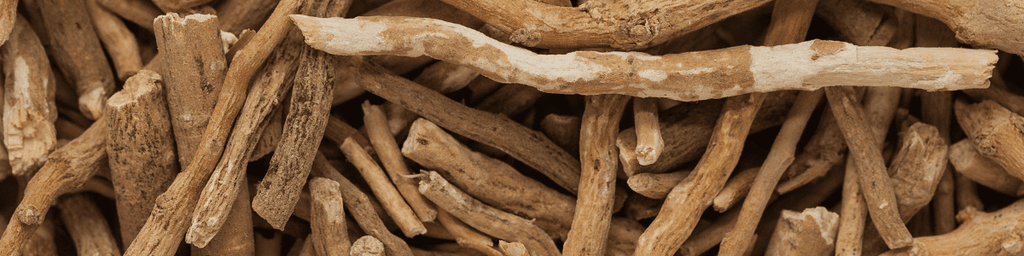
Ashwagandha: Your Anchor in the Storm
Let's be honest: modern life doesn't exactly roll out a red carpet for our well-being. That’s where Ashwagandha comes in. For over 3,000 years, Ayurvedic practitioners haven't just used this knobby root — they’ve sworn by it as the ultimate "adaptogen." What does that mean for you? Think of it as your internal thermostat, helping you find your cool when external pressures turn up the heat.
It’s the reason why so many people find it helps them:
- A feeling of calm: It promotes a sense of steady calm, making it easier to navigate tight deadlines or a packed schedule without feeling frayed.
- Athletic routines: Ashwagandha tincture is often included by people with active lifestyles as part of their regular wellness habits.
- Mindful eating lifestyles: Often part of broader wellness approaches centered on balance and long-term consistency.
In short, Ashwagandha isn't about a quick fix. Ashwagandha capsules are about building a foundation of steadiness, so you feel less reactive and more resilient, day in and day out.
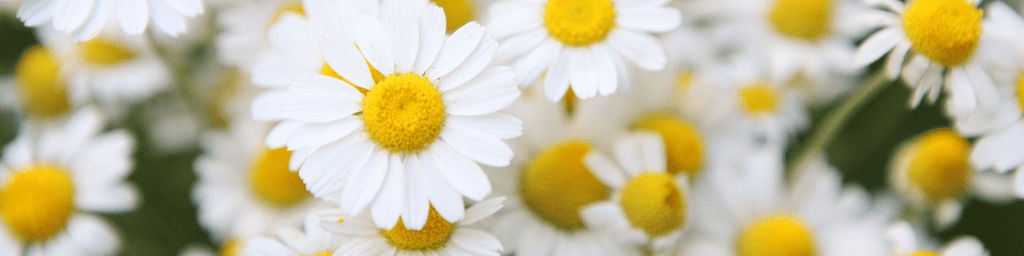
Chamomile: The Original Comfort Blanket
Forget the tea bag for a second. Imagine the gentle, apple-like scent of the fresh flowers themselves — that's the true essence of chamomile. This isn't a new-age discovery; it's one of humanity's oldest companions for comfort, found in ancient Egyptian, Roman, and medieval herbals. Its magic lies in its profound gentleness.
We turn to chamomile for those universal moments when we need to soften the edges of the day. It’s famously used to:
- Quiet a racing mind: It acts as a gentle nervine, fostering a quiet, present calm.
- Signal that it's time for bed: A warm cup is more than ritual; its compounds help cue your body’s natural sleep processes, encouraging deep rest.
- After-meal favorite: Often reached for after rich meals as part of a comforting, familiar routine.
In a world of intense solutions, chamomile is a masterclass in subtlety. It’s the first thing we reach for when we need a tender, natural touch.
Cryptolepis: West Africa's Golden Secret
While Ashwagandha and Chamomile have taken global center stage, let's spotlight a powerhouse from West African traditional herbalism: Cryptolepis. Known as "Ghana Quinine", it’s been a cornerstone of wellness practices for generations, yet it’s just beginning to capture wider attention.
Traditional healers have long valued this shrub for its multi-layered qualities. Today, it’s gaining interest for its potential to:
- Cool the flames: Valued in everyday practices centered on moderation and a sense of internal ease.
- Foster deep relaxation: Promotes a sense of inner quiet and tranquility.
- Rich in antioxidants: Commonly chosen by people who value botanical ingredients as part of mindful daily care.
Cryptolepis represents the beautiful depth of the herbal world — a reminder that profound wellness wisdom exists in every corner of the globe. It’s for the curious seeker looking to build robust, natural resilience.

Important Considerations: A Note on Safe Use
When it comes to Tincture vs. Extract, tinctures are concentrated, which is why we love them and why a mindful approach matters.
- Start Low, Go Slow: Always begin with the lowest suggested dose to see how your body responds.
- Consult a Professional: If you are pregnant, nursing, taking prescription medications, or have a specific health condition, talk to your healthcare provider before use.
Quality Matters: The purity of the herb and the extraction process directly impact the final product.
Tincture vs. Extract | FAQ
Q: I avoid alcohol. Can I still use a tincture?
A: Most of the alcohol in a standard serving (typically ½ to 1 milliliter) is negligible. However, if you prefer to avoid it completely, look for alcohol-free "glycerites," which use vegetable glycerin as the solvent. They have a sweeter taste but a shorter shelf life.
Q: How do I figure out the right dose?
A: Always start with the dosage on the product label. A great rule of thumb is to "start low and go slow." Begin with a smaller dose (like ½ a dropper) to see how you feel, and adjust gradually. Tinctures are concentrated, so a little goes a long way.
Q: How long does a tincture last?
A: When stored properly, alcohol-based tinctures can remain stable for several years. Glycerites and vinegar-based tinctures typically have a shorter shelf life of about one to two years. Always check the “Best By” date on the bottle for guidance.
Q: What’s the best way to take a tincture?
A: Simply mix it into a few ounces of water or your favorite beverage.
Q: How are tinctures different from capsules?
A: Tinctures are liquid and absorbed quickly, allowing for flexible dosing. Capsules contain dried, powdered herb or extract, offer a consistent pre-measured dose, and are tasteless. It often comes down to a preference for convenience versus flexibility.
Embracing the Wisdom of Plants
Choosing between a tincture vs. extract isn't about finding the "best" one, but the right tool for you. For many, the ease, longevity, and flexibility of a tincture make it an indispensable part of natural wellness.
At Secrets of the Tribe, our family is passionate about providing you with pure herbal tinctures, honoring the ancient wisdom of plant formulas. We invite you to explore our catalog and discover how these traditional practices can fit seamlessly into your modern life.
Ready to explore? Find these tinctures and dive deeper into the world of herbal wellness on our blog.
Secrets of the Tribe is a family-owned and operated US business focused on delivering natural herbal health solutions. Our goal is to support your health naturally. Join our family!
Explore more articles:
- Old World Herbalism, Modern World Standards: What GMP Brings to the Table
- History of Herbalism
- Tinctures or Capsules - which to choose?
- How to Take Our Herbal Products
- Herbal Blends to Deal with Environmental Stressors – An Introduction to Our City Blends
Written by Glen Green, Herbal Copywriter at Secrets of the Tribe
Reviewed by Secrets of the Tribe Herbalists
These statements have not been evaluated by the Food and Drug Administration. This product is not intended to diagnose, treat, cure, or prevent any disease.
Share:
Organically Rooted: How USDA Certification Supports Herbal Purity
Old World Herbalism, Modern World Standards: What GMP Brings to the Table